Seasonal Plumbing Problems: What Texas Homeowners Should Expect Year-Round
Texas weather has a way of keeping homeowners on their toes. One week may bring mild temperatures, and the next can deliver a sudden cold front that catches everyone off guard.
Recently, the Austin area experienced a significant drop in temperatures, and many homeowners quickly discovered how vulnerable plumbing systems can be during freezing conditions. At CMM Plumbing, we saw firsthand how quickly frozen pipes, burst lines, and water heater strain became urgent concerns. Events like that highlight just how common — and costly — seasonal plumbing problems can be in Texas.
How Texas Weather Impacts Your Plumbing System
Unlike states with predictable winters, Texas often experiences rapid temperature swings. These sudden changes create stress within plumbing systems as pipes expand and contract in response to shifting conditions.
Texas weather plumbing challenges typically intensify during:
- Sudden cold fronts
- Extended heat waves
- Heavy rain seasons
- Rapid freeze–thaw cycles
When temperatures shift quickly, plumbing materials don’t always have time to adjust gradually. Over time, repeated expansion and contraction increase pipe stress and weaken joints.
The Recent Cold Front: A Real-World Reminder
During the recent Austin-area freeze, many homeowners were surprised at how quickly pipes froze — especially in attics, exterior walls, and garage areas. Freezing temperatures cause water inside pipes to expand. That expansion creates significant internal pressure, which can crack pipes or cause them to burst entirely. In many cases, damage doesn’t become visible until temperatures rise and thawed pipes begin leaking.
Common issues we addressed during the cold front included:
- Burst outdoor faucets
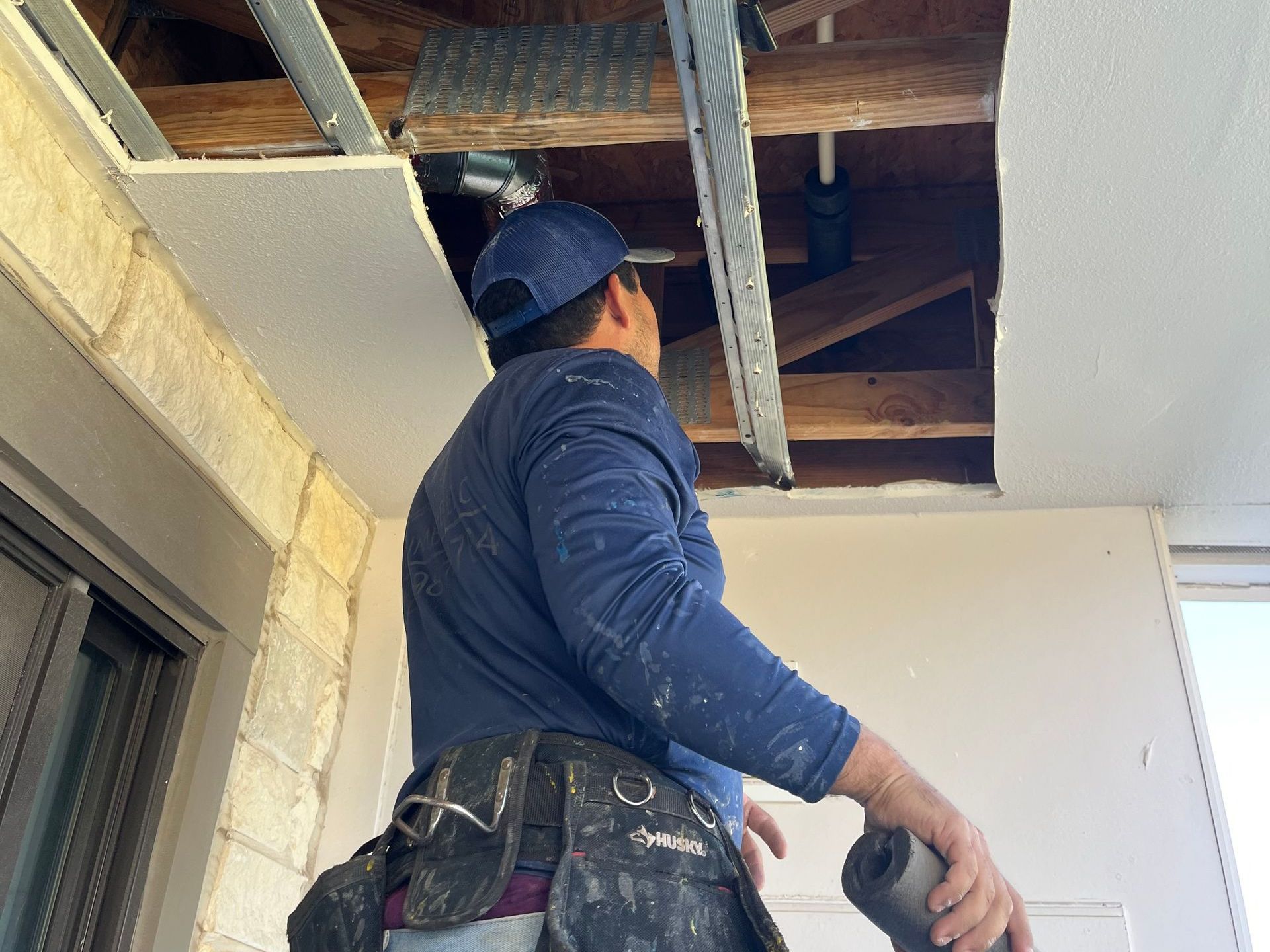
- Cracked attic supply lines
- Frozen irrigation systems
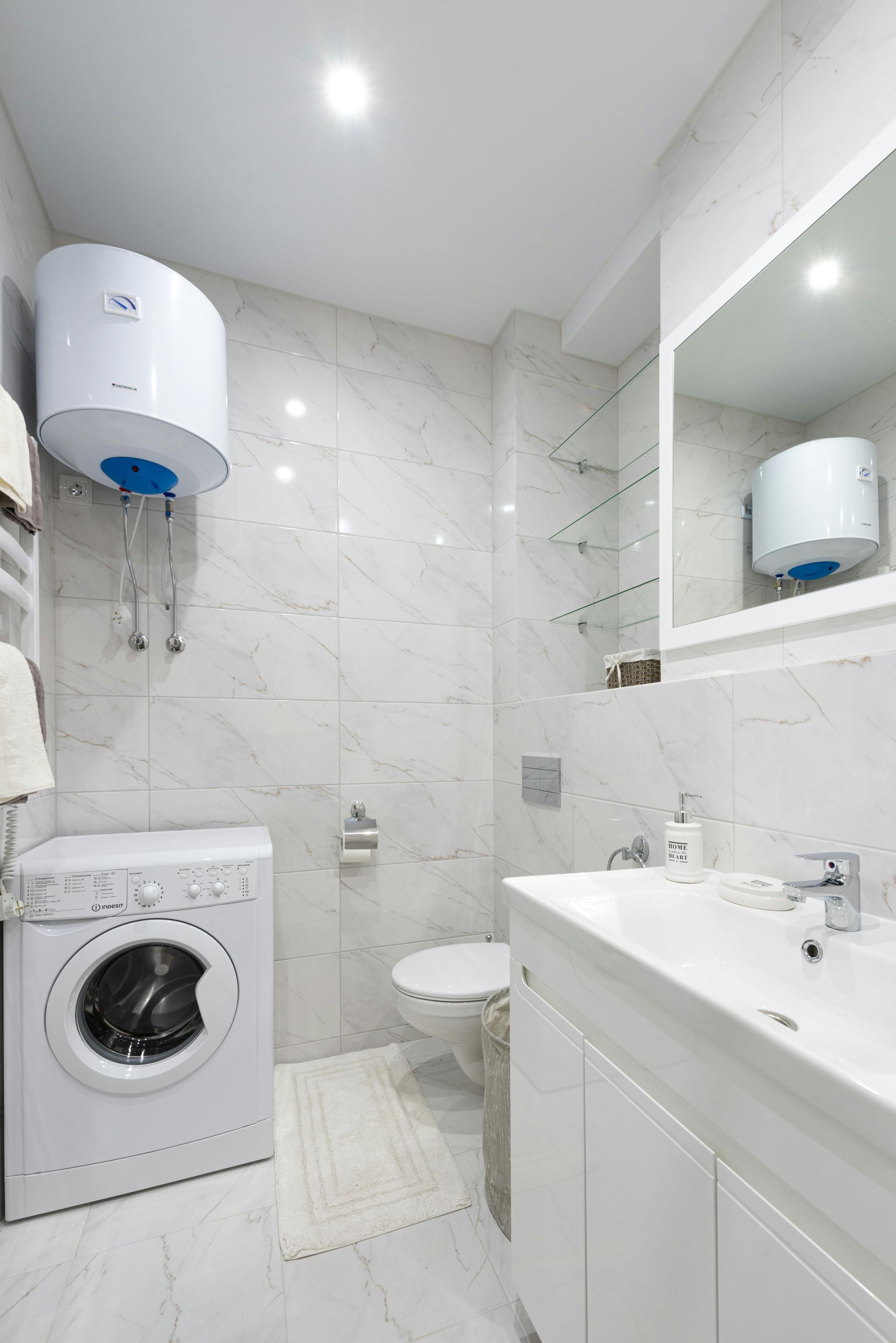
- Water heater overload from increased demand
These aren’t isolated events. Sudden cold snaps are a recurring reality in Central Texas, making winter one of the most important times to protect your plumbing system.
Winter: Freezing Temperatures and Pipe Stress
Even short periods of freezing temperatures can strain vulnerable plumbing. Homes that aren’t properly insulated — or have aging pipes — are especially at risk. Pipe stress builds when:
- Water freezes inside lines
- Pipes expand and contract repeatedly
- Insulation is insufficient
- Outdoor fixtures are left exposed
While severe freezes may only last a few days, the structural damage they cause can require extensive repair.
Spring: Rainfall and Foundation Movement
After winter passes, heavy spring rain introduces another set of seasonal plumbing problems. Saturated soil can shift foundations slightly, which in turn impacts underground plumbing lines. In areas around Austin, where soil movement is common, this can result in:
- Slab leaks
- Sewer line misalignment
- Drainage slowdowns
- Minor pipe separations
Because these issues develop gradually, they often go unnoticed until symptoms become more obvious.
Summer: Heat and Increased Water Demand
Summer brings intense heat across Central Texas. High temperatures cause pipes — especially those in attics — to expand. At the same time, water demand increases due to:
- Lawn irrigation
- Pool use
- Guest visits
- Higher overall household activity
This combination places additional pipe stress on systems that may have already experienced winter strain. Leaks that began as small winter cracks sometimes become more apparent during summer’s heavy usage.
Fall: The Best Time for Prevention
Fall offers a window of opportunity. After experiencing a cold front like the one Austin recently saw, many homeowners realize how important preventative maintenance is.
Before the next freeze arrives, it’s wise to:
- Insulate exposed pipes
- Disconnect garden hoses
- Drain irrigation systems
- Check attic plumbing
- Test water heaters
Proactive steps reduce the likelihood of emergency calls when temperatures drop again.
Aging Pipes Increase Risk
Homes with aging pipes are more vulnerable to seasonal changes. Older materials have already endured years of expansion, contraction, and internal pressure shifts. If your home has older plumbing, seasonal plumbing problems may surface more frequently — especially after major weather events.
Warning signs to watch for include:
- Sudden drops in water pressure
- Discolored water after cold weather
- Small leaks appearing after a freeze
- Unusual noises in walls
Addressing these concerns early prevents more severe structural damage later.
Why Seasonal Inspections Matter
The recent cold front in the Austin area served as a reminder that weather-related plumbing damage can happen quickly. Many of the emergency calls we received could have been minimized with early preparation.
Routine seasonal inspections allow plumbers to:
- Identify vulnerable pipe sections
- Check insulation coverage
- Test pressure levels
- Inspect water heaters
- Evaluate irrigation systems
Preventative evaluations are significantly more affordable than emergency repairs.
Protect Your Home Before the Next Weather Shift
Texas weather isn’t predictable — but your plumbing maintenance can be. If the recent freeze revealed weaknesses in your system, or if you want to prepare before the next seasonal shift, now is the time to act. At CMM Plumbing, we help homeowners prevent seasonal plumbing problems before they escalate. Whether you experienced frozen pipes during the last cold front or simply want peace of mind moving forward, our team is ready to help.
Contact us today to schedule a seasonal plumbing inspection and protect your home year-round.