Natural gas is one of the most efficient and reliable energy sources for Texas homes—but it also demands respect. A damaged or aging gas line can quickly become a dangerous situation if not handled properly. At CMM Plumbing, we believe every homeowner should understand the basics of gas line safety, how to spot warning signs, and what to do if you suspect a problem.
Whether you’re upgrading appliances, scheduling repairs, or searching for gas line services in Coupland, TX, this guide walks you through the essentials to help keep your home and family safe.
Why Gas Line Safety Matters
Gas lines power essential systems—water heaters, stoves, fireplaces, furnaces—but when something goes wrong, the risks are serious. Gas leaks can cause:
- Fires or explosions
- Carbon monoxide poisoning
- Property damage
- Sudden spikes in utility bills
Because of these dangers, gas line safety should always be a priority for homeowners. Even a small leak needs immediate attention from a licensed professional—not a DIY fix.
If you ever smell gas, hear hissing from a line, or feel lightheaded near appliances, call 911 first, then contact an emergency plumber in Coupland right away.
Common Causes of Gas Line Issues
Gas lines are built to last, but they’re not indestructible. Over the years, normal wear or environmental conditions can weaken them. The most common causes include:
- Corrosion and Aging: Texas humidity, soil composition, and fluctuating temperatures all contribute to pipe deterioration. Older lines—especially those made from outdated materials—are more vulnerable.
- Poor Installation: Improper fittings, loose connections, and substandard materials increase the risk of leaks. Always hire licensed professionals for installation, repairs, and upgrades.
- Shifting Soil or Foundation Movement: Central Texas is known for its active clay soil, which expands and contracts. This movement can stress buried gas lines, eventually causing cracks.
- Physical Damage: Landscaping projects, fence installations, digging, or even rodent activity can damage exterior gas lines without homeowners realizing it.
- Faulty Appliances: Even if the line itself is fine, a failing stove, furnace, or water heater can leak gas at the connection point.
Understanding these causes is a key part of practicing good gas line safety and reducing risk in your home.
Warning Signs You May Have a Gas Leak
Gas leaks aren’t always obvious. Some homeowners don’t realize there’s a problem until symptoms become dangerous. Here are the signs every homeowner should watch for:
- Rotten-Egg Smell: Utility companies add a sulfur-like odor to natural gas. If you notice this smell, it’s an urgent sign that something is wrong.
- Hissing or Whistling Sounds: A steady hissing or whistling sound near appliances, walls, or outdoor meters indicates escaping gas.
- Dead or Discolored Vegetation: If a patch of grass or plants dies suddenly, an underground gas line may be leaking beneath it.
- Unexplained Headaches or Dizziness: Low-level gas leaks can cause nausea, fatigue, or confusion—even without a strong smell.
- Higher-Than-Normal Gas Bills: A hidden leak may cause gradual but noticeable increases in monthly gas usage.
- Bubbling in Standing Water or Mud: This is a red flag for underground leaks.
If you notice any of these symptoms, leave the home immediately. Do not flip switches, use lighters, or attempt repairs. Once you’re safely away, call emergency services and then contact a licensed professional offering gas line services in Coupland, TX.
What to Do If You Suspect a Gas Leak
Every second matters in a gas leak situation. Here’s the correct safety protocol:
- Leave the property immediately. Do not wait to investigate further.
- Do not use electronics or switches. Even a light switch can cause a spark.
- Call 911 from a safe distance. Report any strong odors or symptoms.
- Shut off the gas meter if you know how and can do so safely (optional).
- Call an emergency plumber in Coupland to assess and repair the issue.
CMM Plumbing responds quickly to help protect your home and restore safety as soon as possible.
How Professionals Inspect and Repair Gas Lines
When you schedule gas line services in Coupland, TX, here’s what a licensed plumber will typically do:
- Gas Leak Detection: Using advanced tools—sniffers, pressure tests, and ultrasonic detectors—plumbers pinpoint the exact source of the leak.
- Shut-Off and Isolation: The affected section of pipe is isolated and depressurized to prevent further danger.
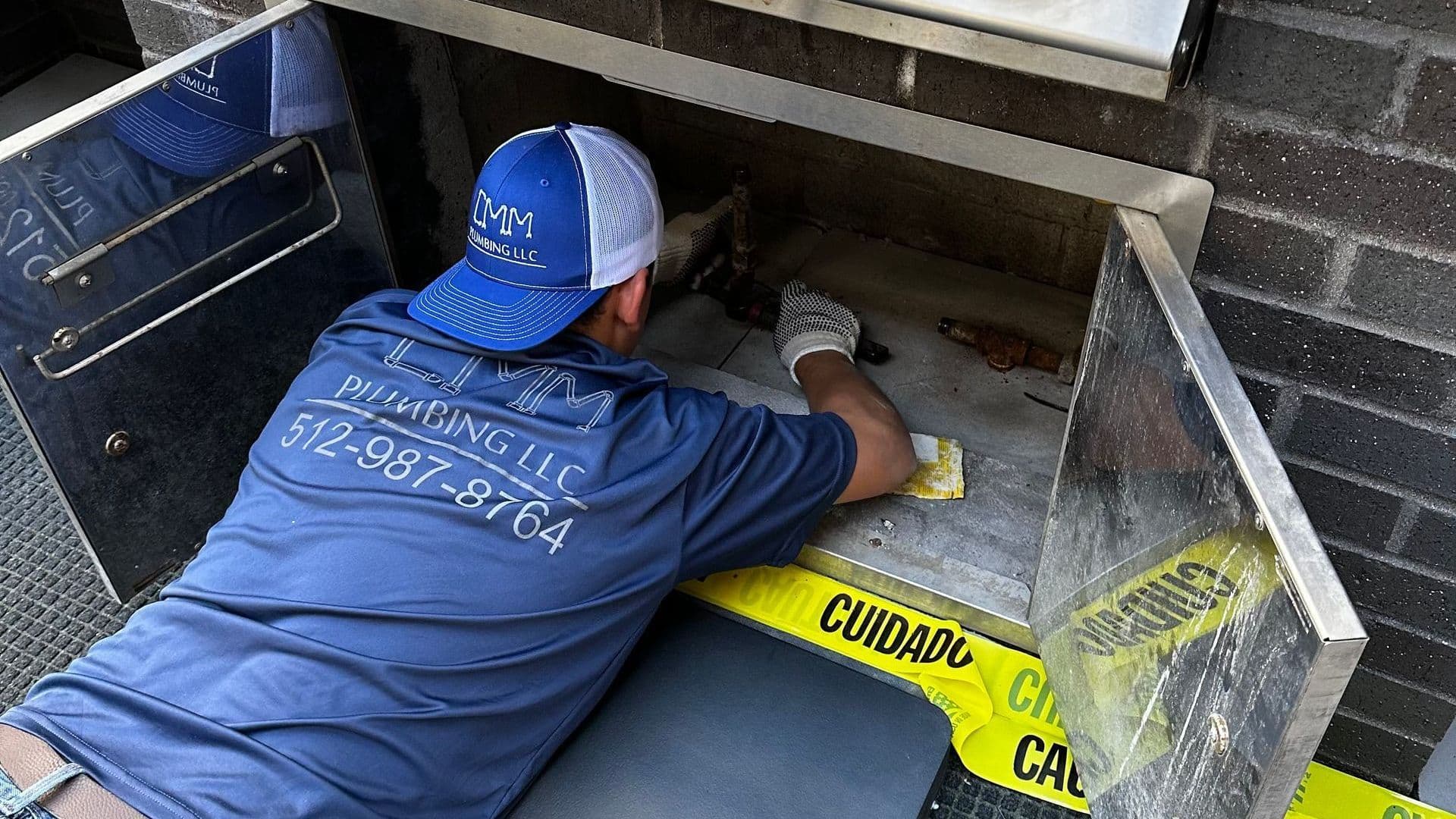
- Line Repair or Replacement: Depending on the severity, the technician may replace fittings or connectors, repair damaged pipe sections, or replace entire gas lines if the system is aging or unsafe. These steps fall under critical plumbing repair services necessary to restore safety and functionality.
- Pressure Testing: Before reactivating the system, plumbers test the line to verify it holds pressure without leaks.
- Restoration and Clean-Up: Once everything is verified safe, gas service is restored, and appliances are properly reconnected.
Professional plumbing repair is the only safe and legally compliant way to restore gas service after a leak.
How to Prevent Gas Leaks in Your Home
While not every gas leak can be prevented, homeowners can significantly reduce the risk by staying proactive. One of the most effective steps is to schedule routine inspections. Having a licensed professional check your gas lines and gas-powered appliances each year—especially the connections to your water heater, furnace, fireplace, and stove—helps catch early signs of wear before they turn into hazards.
It’s also important to keep an eye on the age of your gas lines. Homes that are 20 to 30 years old or older may have outdated or corroded piping that’s more vulnerable to leaks, making upgrades a smart safety investment. Installing carbon monoxide detectors throughout your home provides another layer of protection, alerting you to dangerous byproducts that can occur when gas systems malfunction.
Homeowners should also avoid attempting any DIY work on gas lines. Even small adjustments can lead to serious leaks, so a licensed plumber should always handle these jobs. And before beginning any outdoor digging—whether you're planting trees, installing fencing, or starting a landscaping project—calling 811 ensures any underground gas lines are properly marked.
Consistent awareness and preventative care go a long way in supporting long-term gas line safety in your home.
Why Trust CMM Plumbing for Gas Line Services?
As a local company serving Coupland and the surrounding Texas communities, CMM Plumbing brings:
- Extensive experience repairing, installing, and inspecting residential gas lines
- Fast response times for emergencies
- Honest recommendations with safety-first guidance
- Licensed and insured technicians
- Local knowledge of Texas soil conditions, building codes, and gas systems
Whether you’re scheduling annual maintenance or you need immediate help from an emergency plumber in Coupland, our team has the training and equipment to handle hazardous situations with care and precision.
Need Gas Line Help? CMM Plumbing Is Here for You
If you have concerns about a gas leak or want to schedule a preventative inspection, don’t wait. Gas issues are too dangerous to ignore—and too important to trust to anyone but a licensed professional.
Call CMM Plumbing today to schedule gas line services in Coupland, TX, or request an emergency visit. Your safety is our top priority, and we’re here to make sure your home stays protected year-round.
CMM Plumbing
Licensed plumber serving Coupland, Austin, and Central Texas. Have a question? We're happy to help.