Hard water is one of those things most homeowners live with without much thought. The water still runs. Showers still work. Appliances still turn on. So it’s easy to assume everything is fine. But over time, hard water problems can quietly cause expensive plumbing issues, shorten the lifespan of your appliances, and degrade overall water quality in ways many homeowners don’t realize until the damage is already done.
At CMM Plumbing, we see the effects of hard water every week — usually after it’s been causing problems for years.
What Hard Water Actually Means for Your Home
Hard water simply means your water contains a higher amount of minerals, mainly calcium and magnesium. These minerals are naturally picked up as water moves through soil and rock before reaching your home. They’re not dangerous to drink, but they are rough on your plumbing.
Those minerals don’t dissolve or disappear once the water enters your house. They settle. They stick. And over time, they build up inside pipes, fixtures, and appliances. That buildup is where the trouble starts.
Mineral Buildup Is Quiet — Until It Isn’t
One of the biggest hard water problems is mineral buildup. It forms slowly, layer by layer, usually out of sight. Inside pipes, mineral deposits narrow the interior diameter. Water still flows, just not as freely. Pressure changes. Valves work harder. Fixtures clog more often.
Inside appliances, minerals coat heating elements and internal parts. The appliance still runs, but it has to work harder to do the same job. Most homeowners don’t notice this happening in real time. They only notice when something stops working the way it should.
How Hard Water Shortens Appliance Lifespan
Water-using appliances take the biggest hit. Water heaters, dishwashers, washing machines, even coffee makers — they’re all affected by hard water. Mineral buildup acts like insulation on heating elements, forcing appliances to use more energy and putting extra strain on components. This is where appliance lifespan really gets shortened.
We regularly see water heaters fail years earlier than expected due to heavy scaling inside the tank or the system. The same goes for dishwashers that stop cleaning properly or washing machines that start breaking down long before they should. Hard water doesn’t usually destroy appliances overnight. It just makes sure they don’t last as long as they should.
Signs Hard Water Is Causing Problems at Home
Some water quality issues are obvious. Others aren’t. Common signs include white residue on faucets and showerheads, cloudy spots on dishes, and soap that doesn’t seem to rinse clean. Dry skin and dull hair after showering are also common complaints. Then there are the signs most homeowners don’t immediately connect to hard water:
- Gradually decreasing water pressure
- Fixtures clog more often than they should
- Appliances running longer or sounding louder
- Plumbing repairs that seem to keep repeating
These are all clues that mineral buildup is affecting the system.
What Hard Water Does to Your Plumbing System
Plumbing systems aren’t designed to handle years of mineral accumulation. As the buildup narrows pipes, pressure inside the system increases. That added stress affects joints, valves, and fittings. Over time, it raises the risk of leaks and premature wear.
In older homes with metal piping, hard water can accelerate corrosion and cause pinhole leaks. In newer homes, the damage happens more slowly — but it still happens. Hard water problems don’t usually cause dramatic failures right away. They weaken the system until something finally gives.
Why Cleaning Fixtures Isn’t Fixing the Real Issue
Many homeowners fight hard water symptoms instead of the cause. They scrub fixtures, replace showerheads, descale appliances, and for a while, things look better. But mineral buildup doesn’t stop forming just because you cleaned what you can see.
Inside the pipes and appliances, it keeps accumulating. That’s why the same problems tend to come back again and again. Cleaning helps. It just doesn’t solve the underlying water quality issue.
The Real Cost of Ignoring Hard Water
Hard water doesn’t just create inconvenience. It creates an ongoing expense. Appliances wear out faster. Energy bills creep higher as systems work harder. Plumbing repairs become more frequent. Cleaning products get used faster because soap doesn’t work as well. Each cost on its own may not seem significant. Over time, they add up — often quietly and unexpectedly.
Why Water Heaters Suffer the Most
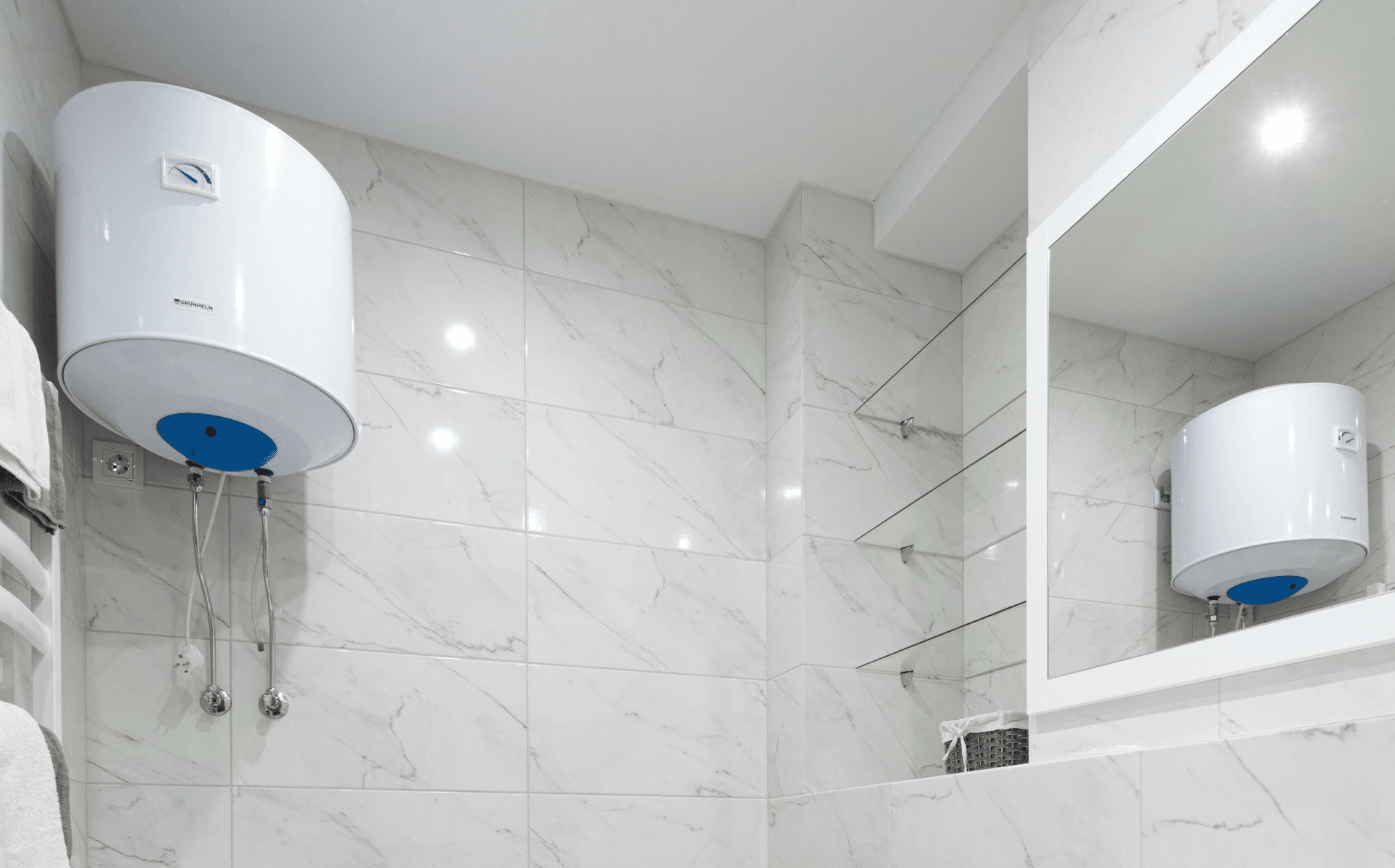
If there’s one place hard water does the most damage, it’s the water heater. Mineral sediment settles to the bottom of tank-style heaters or coats the internal components of tankless systems. That buildup forces the heater to work harder, heat water less efficiently, and wear out sooner.
Many homeowners don’t realize hard water was the cause until the heater fails well before its expected lifespan.
Improving Water Quality at the Source
The most effective way to deal with hard water problems is to treat the water before it travels through your plumbing system. Water treatment options, such as water softeners, reduce mineral content at the source, protecting pipes, fixtures, and appliances throughout the home. Instead of constantly cleaning buildup, you prevent it from forming in the first place.
The right solution depends on your home’s water quality and plumbing setup. That’s why testing and professional evaluation matter.
What We See in Real Homes
We’ve worked with homeowners who thought frequent plumbing issues were just part of owning a house. After testing their water, the pattern became clear. Once mineral buildup was addressed, repairs became less frequent. Appliances lasted longer. Water pressure improved. The system stopped fighting itself. Hard water had been the quiet problem all along.
When to Talk to a Plumber About Hard Water
If you’re dealing with recurring mineral deposits, appliance failures, or unexplained plumbing wear, it’s worth looking into your water quality. You don’t have to wait for something to break. Addressing hard water early helps protect your plumbing system and avoid unnecessary replacements.
Don’t Let Hard Water Keep Working Against You
Hard water problems don’t fix themselves. They just keep building, slowly affecting plumbing, shortening appliance lifespans, and creating water-quality issues that get harder to ignore over time. The sooner you deal with it, the easier it is.
Contact CMM Plumbing to evaluate your water quality and find a long-term solution that protects your home.
CMM Plumbing
Licensed plumber serving Coupland, Austin, and Central Texas. Have a question? We're happy to help.