Hidden Plumbing Issues Most Homeowners Don’t Notice Until It’s Too Late
Not all serious plumbing problems announce themselves with a burst pipe or water pouring across the floor. They start quietly. A slow drip behind a wall. A drain that takes a little longer to empty. A faint smell you can’t quite place. These are the kinds of hidden plumbing issues that often go unnoticed for months — sometimes years — until the damage is already done.
At CMM Plumbing, we regularly help homeowners who had no idea there was a problem until it became expensive, disruptive, or both. The frustrating part is that many of these issues show warning signs early on. They’re just easy to miss if you don’t know what to look for.
Why Hidden Plumbing Issues Are So Common
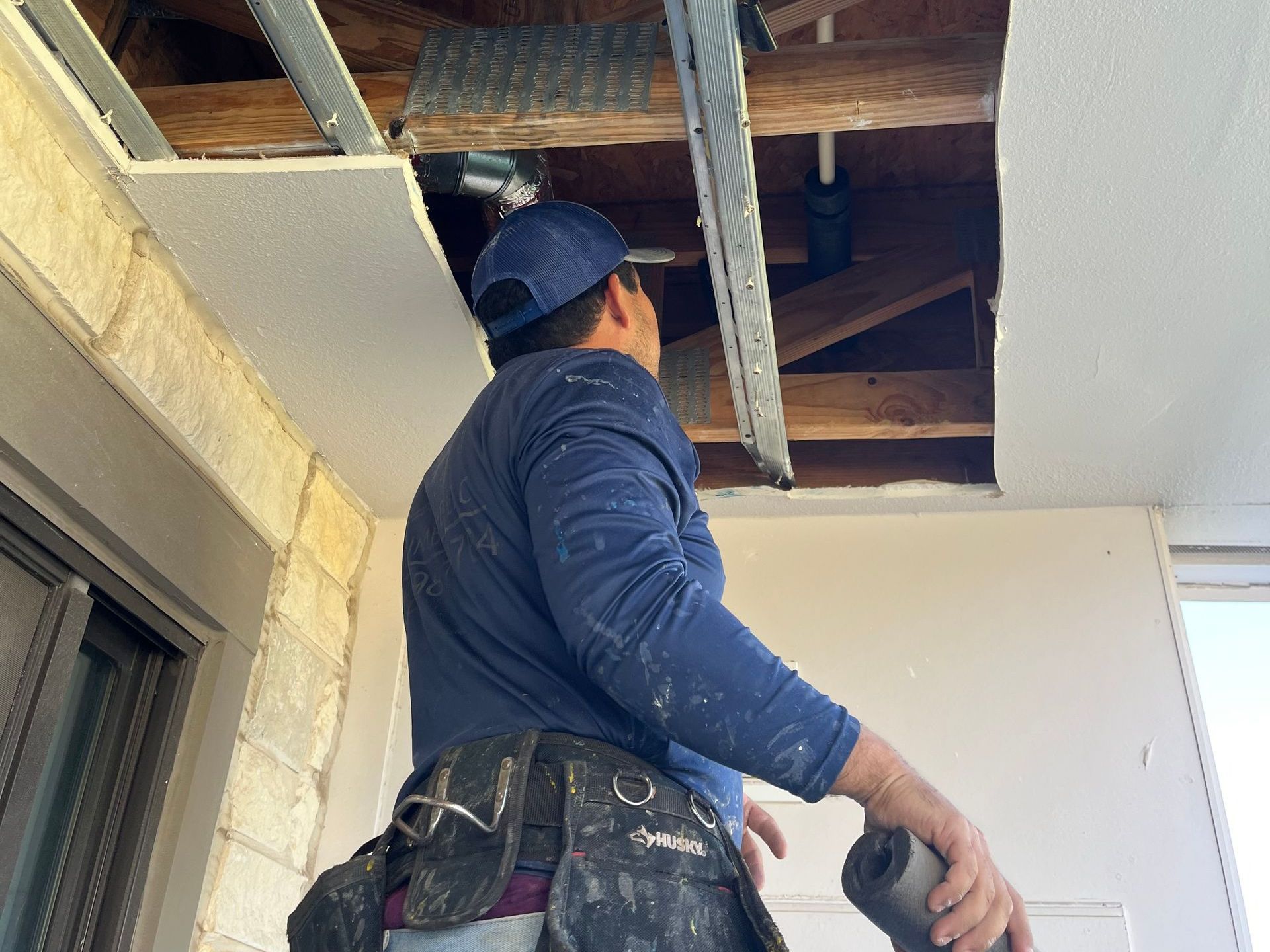
Most of your plumbing system is out of sight. Pipes run behind walls, under floors, and through ceilings. That makes it easy for problems to develop without obvious symptoms. Unlike a broken appliance or a power outage, plumbing problems at home often worsen gradually. By the time something becomes visible, water may have already caused structural damage, mold growth, or costly repairs.
That’s why unnoticed water damage is one of the most common—and expensive—issues homeowners face.
Slow Leaks Behind Walls
This is one of the biggest culprits. A small leak inside a wall doesn’t always drip loudly or cause immediate water stains. Instead, it slowly soaks into drywall, insulation, and framing. Over time, that moisture weakens materials and creates the perfect environment for mold. Often, the first signs are subtle:
- Paint bubbling or peeling
- A faint musty smell
- Slight discoloration on a wall or ceiling
By the time those signs appear, the leak may have been active for a long time.
Drains That “Mostly” Work
A drain that still empties — just slowly — is easy to ignore. Many homeowners assume it’s normal buildup or something they can deal with later. The problem is that slow drains often indicate a partial blockage deeper in the line. Grease, soap residue, hair, and debris can build up gradually, restricting flow and increasing pressure in the pipe.
Left alone, that pressure can lead to backups, pipe damage, or sudden failures. What started as a minor inconvenience can turn into an emergency very quickly.
Water Pressure Changes
A noticeable drop in water pressure is often blamed on fixtures or the municipal supply. Sometimes that’s true. Other times, it points to hidden plumbing issues. Leaks in supply lines, corrosion inside pipes, or failing pressure regulators can all reduce water pressure throughout the home. In some cases, pressure problems go unnoticed because they happen gradually.
If your showers aren’t as strong as they used to be or faucets seem weaker across the house, it’s worth having the system checked.
Unexplained Increases in Water Bills
One of the clearest signs of unnoticed water damage is a rising water bill with no obvious explanation. If your usage hasn’t changed but your bill has, water is going somewhere. Often, it’s a hidden leak running continuously behind walls, under slabs, or in the yard.
These leaks don’t always cause visible damage right away, but they waste water and put stress on your plumbing system. Over time, they can undermine foundations, damage flooring, or lead to mold problems.
Hidden Slab Leaks
Homes built on concrete slabs are especially vulnerable to hidden plumbing issues. When a pipe beneath the slab develops a leak, water can travel under the foundation without any immediate signs inside the home. In some cases, homeowners only notice warm spots on the floor, cracks in the flooring, or persistent moisture smells.
Slab leaks are serious, but early detection can prevent extensive structural damage. Ignoring them almost always makes the repair more complicated and more expensive.
Sewer Line Problems You Can’t See
Sewer line issues rarely start with a full backup. More often, they begin with subtle warning signs:
- Gurgling sounds from drains
- Foul odors around the home or yard
- Multiple drains are slowing down at once
Tree roots, pipe corrosion, or shifting soil can all damage sewer lines over time. Because these pipes are buried, problems can go unnoticed until wastewater has nowhere to go. By the time sewage backs up into the home, the issue has usually been developing for quite a while.
Small Fixture Leaks That Add Up
A running toilet. A dripping faucet. A loose shutoff valve. These might not seem like emergencies, and individually they often aren’t. But over time, they contribute to water waste, higher bills, and unnecessary wear on plumbing components.
More importantly, constant moisture around fixtures can lead to damage beneath floors or inside cabinets. These are the kinds of plumbing problems at home that homeowners live with for years — until flooring warps or cabinets start to swell.
The Pattern We See in Real Homes
We’ve worked with homeowners who had no idea anything was wrong until they noticed a ceiling stain or a soft spot in the floor. By the time they called, the water had already been doing damage for months.
In many cases, the original problem was minor. A small leak. A slow drain. A pressure issue that didn’t seem urgent.
That’s the frustrating part. These problems rarely start big. They just get there quietly.
Why DIY Checks Often Miss the Problem
Many homeowners do their best to keep an eye on things. They check under sinks. They listen for running water. They watch for obvious leaks. The challenge is that most hidden plumbing issues don’t show up in easy-to-check places. Pipes behind walls and under slabs require specialized tools and experience to evaluate properly.
A professional inspection can identify issues that would otherwise remain invisible — until they become unavoidable.
How Hidden Plumbing Issues Turn Into Expensive Repairs
Water doesn’t just disappear. It spreads. Unnoticed water damage can affect drywall, insulation, flooring, framing, and even electrical components. Mold growth can follow, creating health concerns in addition to repair costs. What could have been a relatively simple fix often turns into a multi-step repair involving plumbers, restoration companies, and contractors. That’s where “too late” really shows up.
When to Call a Plumber
You don’t need a flood to justify calling a plumber. If you notice:
- Persistent musty odors
- Unexplained increases in water bills
- Recurring drain issues
- Water pressure changes
- Visible moisture where it shouldn’t be
Those are all signs worth taking seriously. Early action makes a real difference.
Staying Ahead of Hidden Plumbing Problems
The best way to deal with hidden plumbing issues is to catch them early. Routine inspections, prompt attention to warning signs, and professional evaluations can help prevent small problems from becoming major repairs. At CMM Plumbing, the goal isn’t to scare homeowners — it’s to help them understand what’s happening behind the scenes before damage spreads.
Don’t Wait Until It’s Too Late
Hidden plumbing issues are called “hidden” for a reason. They don’t always make noise. They don’t always leave puddles. And they rarely fix themselves. If something feels off in your home, it probably is. Addressing plumbing problems at home early can save you from extensive repairs, structural damage, and the stress of unexpected emergencies.
Contact CMM Plumbing to inspect your system and catch hidden issues before they turn into costly problems.