Tankless Water Heater Installation in Central Texas: What Homeowners in Austin & Coupland Should Expect
If your current water heater is struggling to keep up with your family's hot water demands, you're not alone. Many homeowners throughout Austin, Coupland, and Central Texas are upgrading to tankless systems for better performance, greater efficiency, and long-term savings. At CMM Plumbing, one of the most common questions we hear is: "What should I expect during a tankless water heater installation?"
The answer depends on your home's existing plumbing system, gas or electrical setup, and overall hot water needs. However, understanding the process in advance can help you make an informed decision and determine whether a tankless system is the right fit for your home.
In this guide, we'll walk through what homeowners should expect before, during, and after a tankless water heater installation and explain why so many Central Texas homeowners are making the switch.
Why More Homeowners Are Choosing Tankless Water Heaters
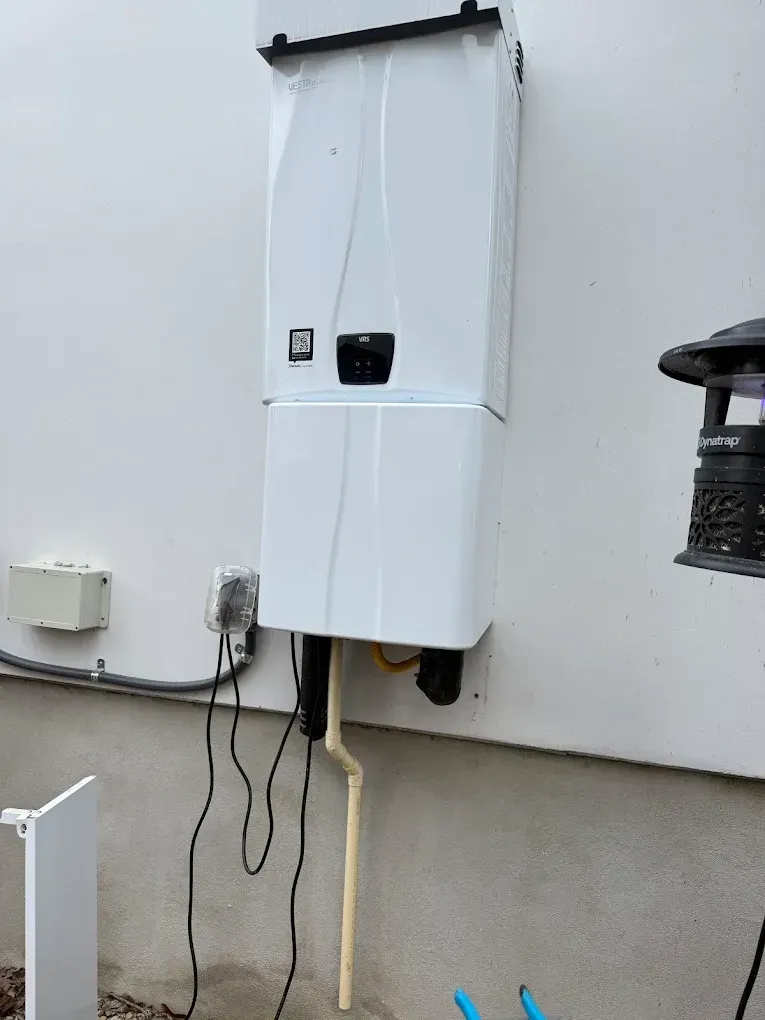
Traditional water heaters store a limited amount of hot water inside a tank. Once that tank is depleted, you must wait for the water to heat up again before continuing to use it. Tankless systems work differently.
Instead of storing hot water, they heat water on demand as it flows through the unit. This allows you to enjoy a continuous supply of hot water without worrying about running out during showers, laundry cycles, or dishwashing. For many homeowners, the benefits of tankless water heaters make them an attractive upgrade over conventional systems.
Some of the most common advantages include:
- Endless hot water
- Improved energy efficiency
- Lower utility costs
- Longer equipment lifespan
- Reduced space requirements
- Cleaner water with less sediment buildup
These advantages are particularly appealing to growing families and households with high hot-water usage.
Is Your Home a Good Candidate for Tankless Water Heater Installation?
Most homes can accommodate a tankless water heater installation, but several factors must be evaluated before installation begins. Some considerations include:
Existing Fuel Source
Tankless systems are available in both gas and electric models. Natural gas units are often preferred because they can provide higher flow rates and support multiple fixtures operating simultaneously. However, some homes may require gas line upgrades to support the new equipment. Electric units can be an excellent solution as well, though they sometimes require electrical panel upgrades depending on the home's existing capacity.
Household Hot Water Demand
A family of six will have different hot water needs than a retired couple. Choosing the correct unit of measure is one of the most important parts of the installation process. An undersized system may struggle to keep up with demand, while an oversized unit can unnecessarily increase installation costs.
Plumbing Configuration
Every home's plumbing system is unique. During an evaluation, your plumber will assess whether modifications are needed to accommodate the new system. Fortunately, most installation challenges can be addressed during the planning phase.
What Happens During the Installation Process?
Many homeowners assume replacing a water heater is a simple swap. While some installations are straightforward, tankless systems often require additional upgrades to ensure safe and efficient operation.
Step 1: Initial Assessment
The first step involves evaluating your home's current setup. This typically includes:
- Reviewing hot water usage
- Determining proper unit sizing
- Inspecting gas or electrical capacity
- Examining existing plumbing connections
- Evaluating venting requirements
This assessment helps ensure the selected system meets your household's needs.
Step 2: Removal of the Existing Water Heater
If you're replacing a traditional tank-style water heater, the old unit will be disconnected and removed. This often creates additional storage space since tankless systems mount directly to the wall and occupy significantly less room. Many homeowners appreciate gaining extra space in garages, utility rooms, and closets after upgrading.
Step 3: System Upgrades
Depending on your home's existing infrastructure, upgrades may be required before the new unit can be installed. Common upgrades include:
- Gas line modifications
- Venting improvements
- Electrical upgrades
- Water line adjustments
- Pressure regulation updates
These improvements help ensure the system operates safely and performs as intended.
Step 4: Installation and Testing
Once all necessary modifications are complete, the new unit is installed and connected. Your plumber will then:
- Test water flow
- Verify proper gas or electrical operation
- Check venting performance
- Inspect for leaks
- Confirm temperature settings
Before leaving, they should also explain how the system operates and answer any questions you may have.
How Long Does Tankless Water Heater Installation Take?
Installation time varies depending on the complexity of the project. A straightforward replacement may be completed in a single day. However, installations that require significant gas line upgrades, electrical work, or venting modifications may take longer.
The good news is that most homeowners experience minimal disruption during the process and can begin enjoying hot water shortly after installation is complete.
Understanding the Long-Term Benefits
While tankless systems typically cost more upfront than traditional water heaters, many homeowners view them as a long-term investment. One reason is the significant energy savings they can provide. Because they only heat water when needed, they avoid the standby energy losses associated with storage tanks. This makes them among today's most popular energy-efficient water-heating solutions. Over time, reduced utility costs can help offset a portion of the initial installation expense.
Additionally, tankless units often last significantly longer than conventional water heaters. While traditional systems commonly last 8–12 years, properly maintained tankless units may operate for 20 years or more.
Maintenance Is Still Important
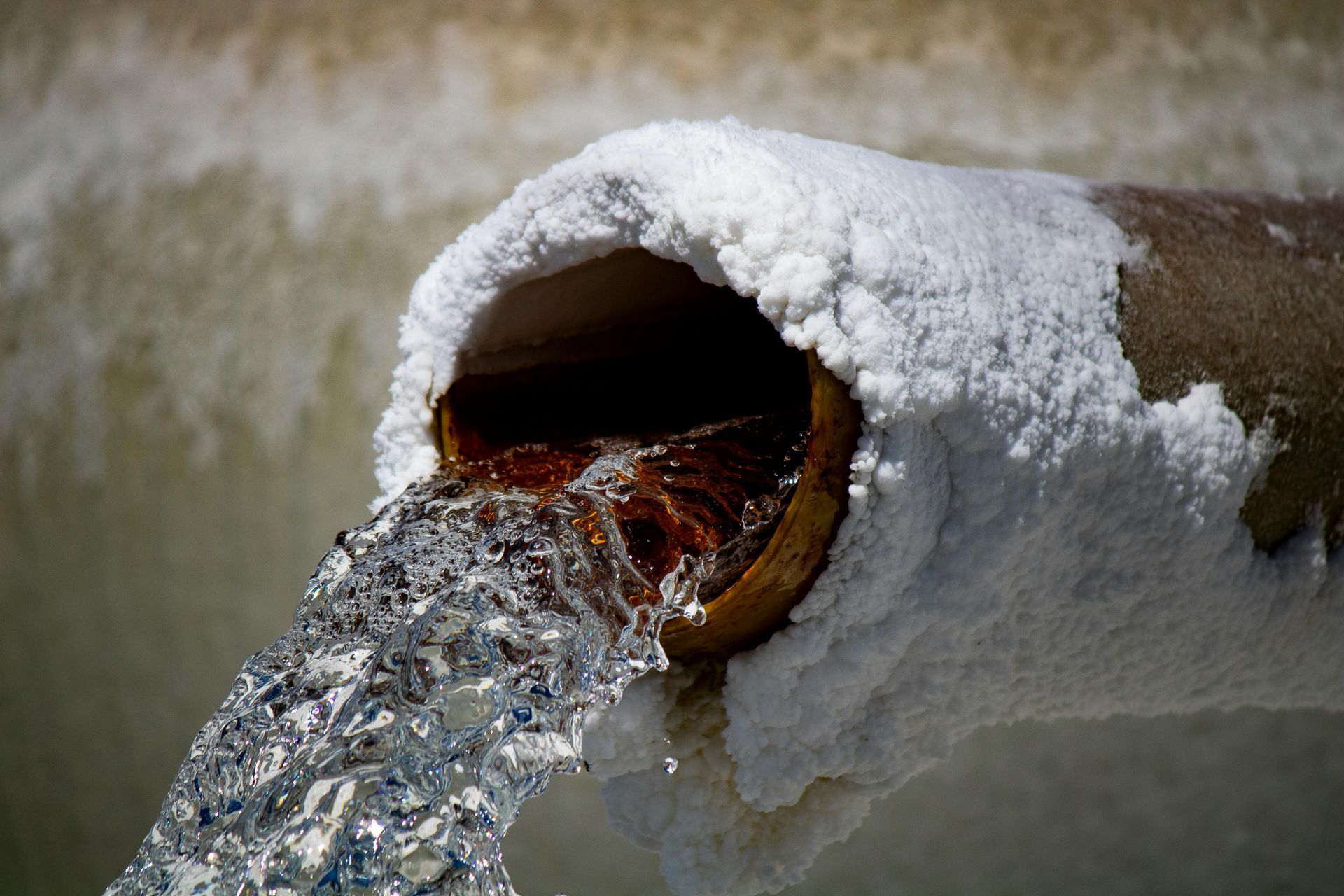
Although tankless systems require less maintenance than many homeowners expect, regular service remains important. Central Texas water is known for its mineral content, which can contribute to scale buildup inside plumbing equipment. Periodic flushing helps remove mineral deposits and maintain system efficiency.
Routine maintenance can help:
- Extend equipment lifespan
- Maintain energy efficiency
- Prevent costly repairs
- Ensure consistent hot water production
- Protect manufacturer warranties
At CMM Plumbing, we often recommend annual maintenance for tankless systems to keep them operating at peak performance.
Common Questions About Tankless Water Heaters
Will I Really Never Run Out of Hot Water?
As long as the unit is properly sized for your household's demand, you'll enjoy a continuous supply of hot water.
Are Tankless Systems More Expensive?
The upfront installation cost is often higher than that of traditional systems. However, many homeowners find that lower energy bills and longer lifespan provide significant value over time.
Can a Tankless Water Heater Increase Home Value?
Many buyers view tankless systems as a desirable upgrade because of their efficiency, longevity, and convenience.
Do Tankless Water Heaters Work Well in Texas?
Absolutely. Tankless systems perform exceptionally well throughout Austin, Coupland, and Central Texas due to the region's relatively mild groundwater temperatures.
Upgrading Your Home's Hot Water System
If you're tired of running out of hot water or dealing with an aging water heater, a tankless upgrade may be worth considering. The combination of endless hot water, lower energy consumption, and long-term reliability makes tankless systems an attractive option for many Central Texas homeowners.
At
CMM Plumbing, we provide professional tankless water heater installation services throughout Austin, Coupland, and surrounding communities. Our experienced team can help evaluate your home's needs, recommend the right system, and ensure your installation is completed safely and efficiently. If you're ready to explore the benefits of tankless water heaters or want to learn more about energy-efficient water heating solutions,
contact us today to schedule a consultation.