How to Spot Pipe Corrosion Signs Before You Have a Leak
Most plumbing leaks do not happen out of nowhere. In many cases, there are warning signs long before a pipe fails behind a wall, under a slab, or inside a crawl space. Knowing what to look for can help you avoid water damage, emergency repairs, and unnecessary stress. At CMM Plumbing, we help homeowners across Central Texas identify problems early and take action before small issues become major plumbing headaches.
If you know how to recognize pipe corrosion signs, you may be able to catch trouble early and protect your home. Here is what to watch for and when it is time to call a professional plumber.
What Causes Pipe Corrosion?
Corrosion occurs when metal pipes break down over time due to chemical reactions with water, oxygen, minerals, or surrounding materials. While corrosion is more common in older galvanized steel or copper systems, it can happen in a variety of plumbing setups depending on age, installation quality, and local conditions.
In Central Texas, hard water minerals and changing water chemistry can sometimes contribute to wear inside plumbing systems. That is why routine inspections and preventative plumbing maintenance can be so valuable.
Discolored Water Coming from Faucets
One of the most common signs of pipe corrosion is water that appears brown, yellow, reddish, or cloudy when it first comes out of the tap.
This may indicate:
- Rust forming inside older metal pipes
- Sediment buildup is breaking loose
- Deterioration within sections of plumbing lines
If discoloration occurs only with hot water, the issue may involve the water heater rather than the household supply lines. Either way, unusual water color should be inspected.
Metallic Taste or Odor
If your water suddenly tastes metallic or has an unusual smell, corrosion may be affecting the inside of your pipes. While there can be multiple causes of water quality issues, deteriorating plumbing materials are one possibility worth checking.
Clean, fresh water should not have a strong metallic taste. If it does, it may be time for a plumbing evaluation.
Frequent Small Leaks
Tiny pinhole leaks, damp spots, or repeated repairs in different parts of the home can be a sign that your plumbing system is aging from the inside out. Many homeowners fix one small leak only to have another appear months later. This pattern often points to broader wear rather than isolated bad luck. Recognizing these recurring problems as signs of pipe corrosion can help you make smarter, long-term decisions.
Low Water Pressure
Corrosion inside pipes can narrow the inside diameter of the line over time. As buildup increases, water flow may slow and pressure may drop. If multiple fixtures suddenly seem weaker than normal, especially in an older home, restricted pipes could be part of the issue. Pressure loss can also be linked to other plumbing concerns, so professional diagnosis is important.
Strange Noises in the Plumbing System
Rattling, whistling, or banging sounds are not always caused by corrosion, but aging pipes under stress may become noisier as deterioration progresses. Loose fittings, pressure changes, and weakened sections of pipe can all create unusual sounds. If new noises appear alongside leaks or water discoloration, they should not be ignored.
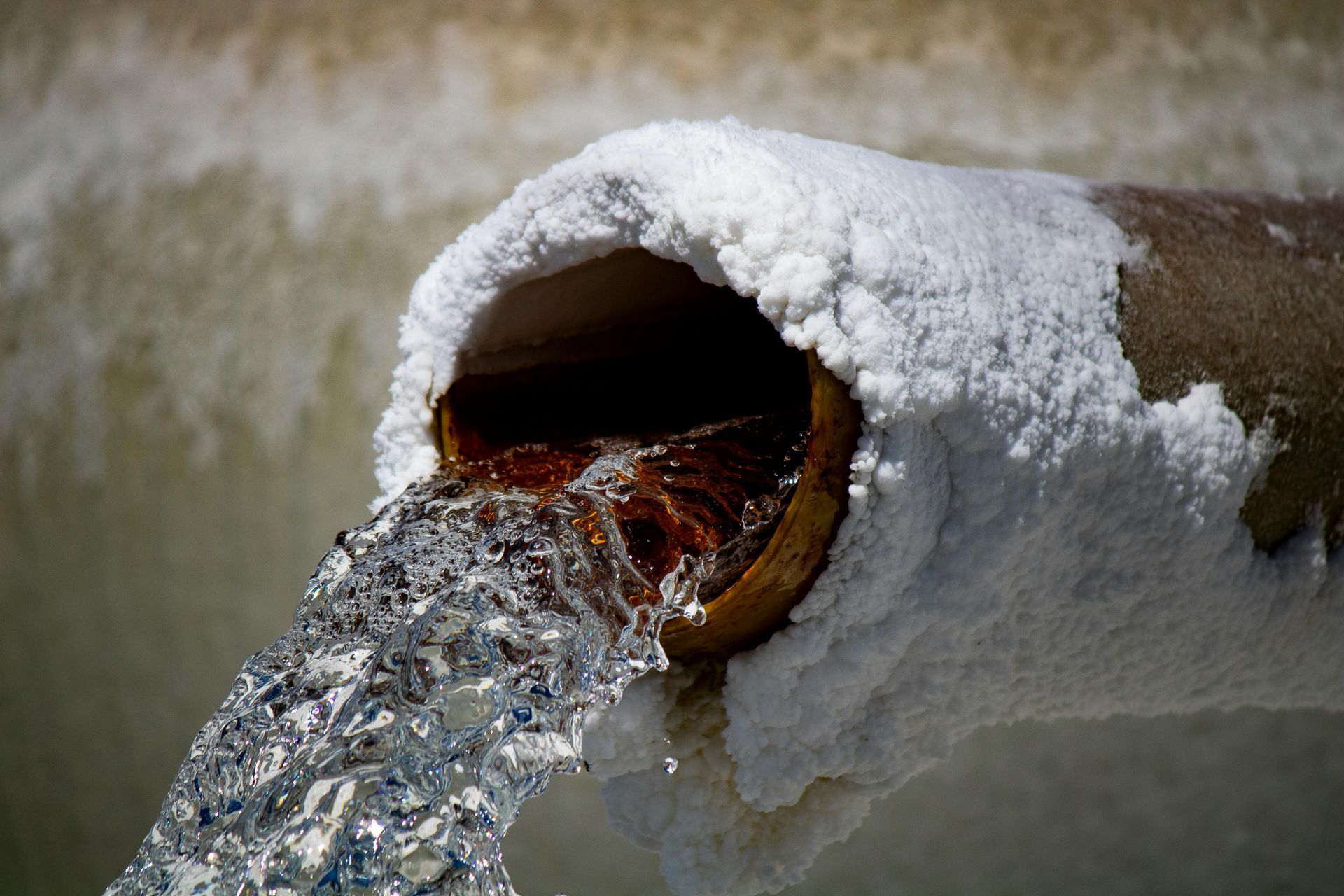
Visible Corrosion on Exposed Pipes
Some of the easiest signs of pipe corrosion to spot are on exposed piping under sinks, in garages, utility rooms, or crawl spaces. You can look for:
- Green or blue residue on copper pipes
- Rust-colored staining
- Flaking metal
- White mineral crust around joints
- Moisture buildup around fittings
Visible corrosion on the outside can sometimes indicate internal issues as well.
Older Homes Deserve Extra Attention
Many homes throughout Austin, Texas, Coupland, Texas, and surrounding Central Texas communities may have older plumbing materials or partial upgrades completed over the years. That mix of old and new materials can sometimes create wear points in the system. If your home is older and you have never had the plumbing evaluated, now may be the right time.
How Preventative Plumbing Maintenance Helps
Routine inspections are one of the best ways to catch corrosion before it causes major damage. During preventative plumbing maintenance, a plumber can identify aging components, test water pressure, inspect visible piping, and recommend smart next steps.
Early action may help you avoid:
- Emergency leaks
- Water damage repairs
- Mold concerns
- Unexpected repiping costs
- Fixture damage from poor flow
What to Do If You Notice Pipe Corrosion Signs
If you notice one or more of these pipe corrosion signs, do not assume the problem will fix itself. Corrosion usually worsens over time. The best next step is to have a licensed plumber inspect the system and determine whether the issue requires a localized repair, a water treatment recommendation, or planning for a larger replacement. Every home is different, and the right solution depends on pipe material, age, layout, and severity of the damage.
Trust CMM Plumbing to Help Protect Your Home
At CMM Plumbing, we help homeowners across Central Texas diagnose leaks, aging pipes, pressure problems, and hidden plumbing issues before they turn into expensive emergencies. If you have concerns about corrosion, water pressure, or water quality issues, we are ready to help.
Contact us today to schedule an inspection and get expert guidance before minor warning signs become major plumbing repairs.